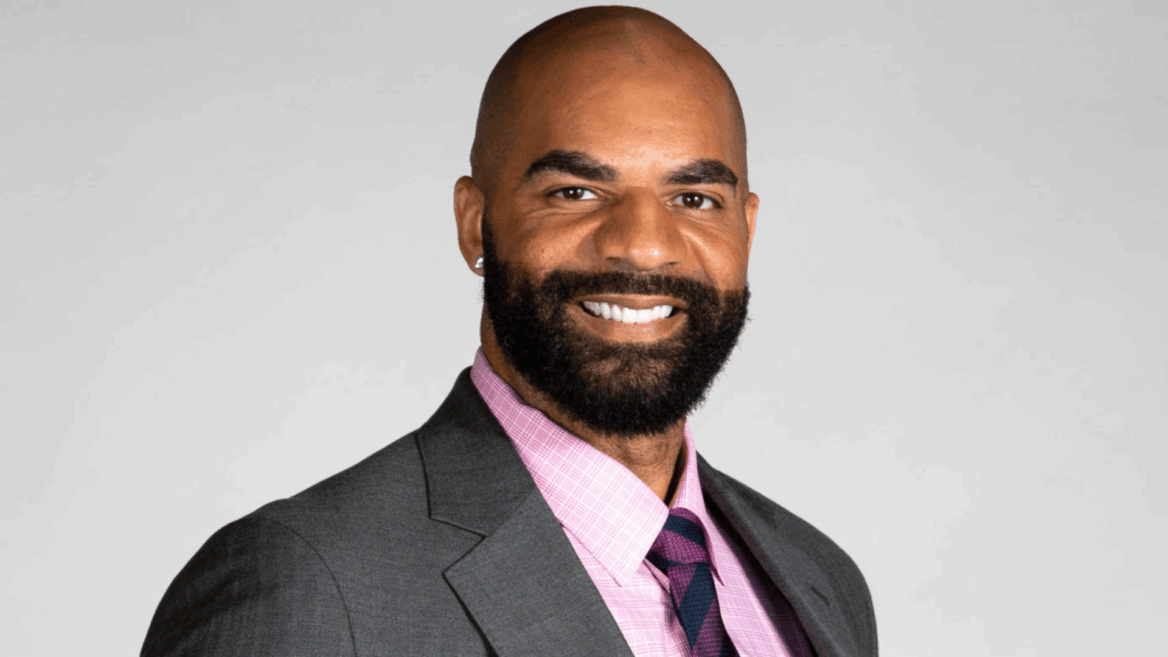

Before the boardrooms and business meetings, there was the basketball court. After 13 seasons in the NBA and two All-Star selections, Carlos Boozer retired in 2017 and entered a new arena: entrepreneurship. L’Express Franchise had the honor to speak with him about his transition from professional sports to business, and what his journey can teach aspiring franchise entrepreneurs.
After retiring, Carlos Boozer found himself searching for “new passions, new goals and a desire to leave a legacy outside of basketball.” That search led him into franchising and commercial real estate through Impeccable Development, a company he co-founded alongside entrepreneurs Rob Tanner, Amit Sehgal, and Jeffrey Postal.
A turning point came through one of Boozer’s longtime mentors, Shaquille O’Neal, who connected the team with José Cil, then CEO of Restaurant Brands International (RBI), the parent company of Popeyes. Those conversations helped them better understand what it would take to own and operate Popeyes franchises, ultimately leading them to acquire three stores in North Carolina.
What started as a franchise investment soon evolved into something much larger. Encouraged to expand further, the group moved into shopping plaza development, combining franchise operations with property ownership. They brought in major brands including Target, Costco, Home Depot, Popeyes, and Starbucks. Today, the company oversees numerous projects across the Carolinas. As Boozer puts it, they are “basically landlords.”
Professional athletes can struggle with identity after retiring. How did entrepreneurship help you redefine who you are beyond basketball?
Basketball filled my heart for so many years, it’s my first love. When I retired in 2017, I was trying to find something else to pour all my energy, competitiveness and interest into. I first took some time off to spend with my family, I traveled, and I let my body recover from always pushing it to the brink to be in the best shape I could be in. At the same time, I kept getting contacted by different people who wanted to hire me: I had coaching offers, companies that wanted me to become a consultant, and opportunities to be a TV commentator. I did some of that, working with ESPN for about eight years. But it didn’t call me in the way that entrepreneurship did.
I also thought about the legacy I wanted to leave for my kids. Something that would outlive me. I had an amazing basketball career, very blessed to play with great players and great coaches… I wanted more than that.
I retired at 37 years old, I was young, and I wanted to be able to do something else. Entrepreneurship, owning real estate, owning a franchise, owning businesses, that’s something that can outlast you, something you can give to your kids, something you can teach other athletes, other entrepreneurs. I started going into the business with franchises and something inside me struck like “oh, this is what I wanna do.”
When did you first realize that your competitive spirit from basketball could be channeled into business and entrepreneurship?
It was looking at Shaq’s portfolio. He owns so many different franchises. He’s obviously one of the best basketball players ever, but he’s also really successful in business. I’m inspired by that. I have a lot of friends like Magic Johnson, Alex Rodriguez, and obviously Shaq, who were not only phenomenal in their sports, but also phenomenal in business. I wanted to do the same thing, to be the guy that people look back on thinking: “He was a great basketball player, but wow, he was an awesome business person”.
Were there principles from your playing career that you’ve directly applied to running a business?
A lot of the things I’ve learned in sports have helped me in business.
The first thing is teamwork. Being able to rely on people that can help you succeed. I had to find people that I thought were more educated than I was, that could steer me in the right direction, that would help me get to a goal that we share together, and that’s what I found. My partners Rob Tanner, Amit Sehgal, and Jeffrey Postal all share the same vision as me. We built a team, we all share the same goal, we have a great work ethic.
Another thing is resilience: You have to be okay with a couple of losses on your way to great success. Being able to get knocked down and get back up. We’ve been very successful, we’ve learned from some of the mistakes we made early on, and we’ve been able to flourish in this new age. We have a lot of new things coming in 2027 and 2028.
What made franchising more appealing to you than building your own restaurant brand from scratch?
I wanted to partner with A+ brands that had a reputation of being successful. I could have started something from scratch under my own name, but for some reason I was drawn to established brands like Popeyes.
Whether we’re going through a tough time, a pandemic, or any kind of economic cycle, everybody has to eat. So a brand like Popeyes made sense. It’s recognizable, it’s global, and it can kickstart other developments around it.
But who knows, down the road maybe I will start something under my own name.
For someone reading this who’s thinking about their first franchise investment, what’s the one thing you wish someone had told you before you started?
Start earlier. The education I’ve gotten since retiring, I wish I had gotten it when I was a teenager because I would have started franchising earlier and my portfolio would probably be even bigger.
I think it’s never too early to start. That’s what I’ve taught my kids too. If you have a business idea or entrepreneurial ambition, go for it. You learn so much in the early years. Sometimes you fail and you have to get back up, but you get that learning and maturity early so later in life you don’t make the same mistakes.
The real estate + franchise combination is at the heart of your model. How did you come to see real estate as a strategic advantage in the franchise world?
We bought the three Popeyes stores that were available in North Carolina, and Popeyes corporate wanted us to develop 15 more stores over a few years. So we started looking for new properties and locations with strong visibility and traffic because you want your stores to be successful.
That’s when we came across a 20-acre property. Obviously, you can’t just put a bunch of Popeyes on that land, so we started thinking bigger. We realized we could become landlords to more than just Popeyes.
We bought the property, built a shopping plaza, and brought in other brands like Target and Starbucks. That’s when the real estate play really clicked for me. If you own the land and put a successful A+ brand on it, the value of that land skyrockets.
We own the land, the franchises operate on it, and they’re paying rent. So we realized we could duplicate that model multiple times and build an incredible portfolio.
A lot of that thinking came from the same strategy that helped build McDonald’s: not just owning the franchise, but owning the real estate underneath it. If you own the land the franchise sits on, the value goes through the roof.
You mentioned learning from personal mistakes in business. Is there a lesson from those harder moments that you now see as essential to where you are today?
The biggest mistake I made early in business was not doing my due diligence on who I was partnering with. I invested in a business idea that I really believed in, and I got a lot of friends involved too. But the person behind it turned out to be a complete fraud.
Looking back, the mistake wasn’t believing in the vision, it was trusting someone at their word without doing the homework first. I didn’t do a background check, I didn’t look closely enough at their business experience, and I learned that lesson the hard way.
My advice to anybody going into business is simple: make sure you really know who you’re partnering with.
What business advice would you give to someone who desires to start an entrepreneurial journey?
First, do your research and get educated about whatever business or franchise you’re interested in. We have incredible resources at our fingertips now. You can research almost anything online. I always encourage people to study the companies and individuals who have already succeeded in the space they want to enter, because they often leave breadcrumbs showing how they got there.
The second thing is finding a mentor. Reach out to people you admire. You’d be surprised how many successful people are willing to help if you genuinely ask and show that you’re inspired by what they’ve built.
Those are probably the two biggest things that helped me in business and franchising: doing the research and finding the right mentors.
Beyond strategy and lessons learned, Carlos Boozer says the philosophy behind his company’s name captures the mindset that drives everything he does: “To me, impeccable means excellence. A lot of people settle for what’s mediocre, what’s okay, or what’s just enough. I’ve always wanted more than that. I wanted to be the best basketball player I could be, and I want our company to be the best company it can be. We want to be impeccable. We want to be excellent.”
Responses have been slightly edited for clarity and concision.