
“Fancy a pint?” “Just popping to my local” and even the soap cliché “Get out of my pub” are all familiar expressions from British pub culture and for good reason.
The UK has one of the highest concentrations of public houses in Europe, yet in recent years, widespread reports of closures might suggest the sector is in decline.
While there are fewer pubs overall, they remain a cornerstone of our social lives and continue to bring people together across generations.
The Shifting Landscape of Pub Culture
While our love of a good local is rooted in nostalgia, there’s an exciting shift in UK hospitality, driven both by how we use pubs and the changing shape of British city centres. No longer built around the old nine-to-five commuter model, modern city centres are becoming lively hubs where people live, work and enjoy leisure activities.
In this guide, we explore how urban planning is redefining city centres and provide a practical roadmap for opening a pub or bar in the UK, whether buying independently or opting for a franchise.
We cover location selection, competitor research, leases and licences, as well as staff training and brand positioning. First, let’s look at how evolving city centres are creating real opportunities for pubs and bars to thrive.
How Urban Planning is Shaping Opportunities for Pubs
UK city centres are transforming. No longer emptying out after office hours, many areas are now dynamic communities where living, working and socialising happen side by side.
This shift is partly driven by the 15-minute city concept, which encourages planners to design neighbourhoods where most daily needs, from shopping and work to dining and socialising, are within a short walk or cycle.
For pub owners, this creates built-in opportunities. A growing local population provides a steady customer base, while modern pubs increasingly serve multiple roles: cafés by day, social hubs in the evening, and informal workspaces for freelancers or remote workers.
Pubs that combine food, drinks and community activities are more resilient and contribute to local employment and economic activity.
Location, Location, Location! The Main Key to Opening a Successful Pub
Choosing the right location is the first step to a successful pub.
Look for areas with strong footfall, a mix of residents and workers and convenient transport links. City-centre pubs benefit from being close to locals who can drop by throughout the day whether for coffee, lunch or evening drinks.
It’s equally important to understand your competition. What are other pubs, cafés and bars offering nearby? Identifying gaps in the market, from brunch services to live events, can help you position your venue uniquely.
Tenancy Agreements and Leases required
Many pubs in the UK also operate as inns, hotels or B&Bs, which can significantly affect tenancy and lease agreements. Tenancy agreements vary and may include:
- Tied arrangements with breweries or pub companies
- Restrictions on suppliers
- Obligations around accommodation or food service
Understanding what you’re signing up for, and the flexibility you do and don’t have, is crucial before committing.
Leases usually offer more independence than a tenancy but come with higher responsibility. Key points to check are:
- Length of lease and break clauses
- Repair and maintenance obligations
- Rent review terms
To buy or to rent
Buying a freehold pub gives full control but requires significant capital. Renting or leasing lowers initial outlay but can limit adaptations. You’ll also need to factor in planning permission, change of use issues, refurbishment constraints and local council policies before deciding which route suits your business model.
Licences You’ll Need to Open a Pub
Opening a pub isn’t just about having your name above the door, rolling kegs into the cellar and chatting to customers about how their day’s gone. It’s about compliance and rightly so, given you’re dealing with people, serving alcohol and, in many cases, food.
Depending on your offer, you may need:
- A premises licence to sell alcohol;
- A personal licence to authorise sales;
- Food hygiene registration;
- Music licences (recorded and live);
- Licences for live entertainment or late-night trading;
- Fire safety and health and safety certification.
Licensing requirements vary by local authority, so early conversations with your council can save time and a great deal of stress.
Did you know?
- There are around 47,000 pubs in the UK, which is one of the highest concentrations in Europe.
- Social impact: £1 invested in community-focused pubs generates £8.28 of social value (CAMRA) meaning they are good for our mental health.
- Economic contribution: The beer and pub sector supports over 1 million jobs and contributes tens of billions to the UK economy.
- Modern trends: Many city-centre pubs double as daytime workspaces or event venues.
- Franchise option: A franchise can provide an established system, brand support and a lower-risk route for first-time operators.
Business Planning Essentials – Analyse your Competitors
A solid business plan isn’t just for banks. It’s for you.
Here’s how to get it right.
1 : Market research: Know your neighbours.
By understanding your local demographics, including age, income, working patterns, family status and lifestyle, you’re more likely to decide upon opening hours, menu choices and services that suit your audience profile.
2 : Financial forecasting
Create realistic projections, allow for seasonal highs and lows, and choose an opening date that suits your offer, from beer garden trade in summer to food-led or indoor-focused venues in winter.
3 : Competitor analysis
Spend time in nearby pubs and bars. Identify what works, where gaps exist and how you can differentiate – or do better – whether via atmosphere, food, events or sheer personality.
4 : Recruitment tips
Hire for attitude and cultural fit as much as experience. Train your team carefully and make sure they understand your brand values. A small, well-trained team who smile and ensure tables are always clean can deliver more for your reputation than any marketing campaign.
Costs and Funding – A short list for your starter toolkit
Before opening a bar or pub in the UK, it’s essential to have a clear view of your start-up and running costs. These expenses go beyond rent and stock and can quickly add up if not planned for properly. Building a realistic budget from the outset helps secure funding, manage cash flow and avoid unpleasant surprises during launch.
Common expenses include:
- Staffing
- Initial stock
- Rent or mortgage
- Licensing and legal fees
- Insurance
- Deposits and refurbishment costs
Contingency planning is vital but rest assured that very few openings run exactly to plan. Allowing a financial buffer can make the difference between a smooth opening and early operational stress.
How to Fund your Pub or Bar to get it off the Ground
Once costs are mapped out, the next step is deciding how to fund your project. Funding choices will depend on your personal situation, appetite for risk and whether you are opening independently or as part of a franchise network. A well-structured funding mix can improve resilience and speed up your route to profitability.
A few funding options are:
- Personal savings;
- Bank or business loans;
- Investors or partnerships.
There are many benefits to franchising and it’s a particularly good fit for first-time operators.
A franchise provides an established system, brand recognition, training and supplier relationships, which all adds up to lower risk while accelerating time to profitability.
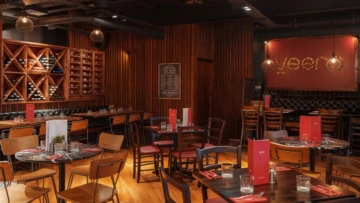
Veeno
Wine bar, restaurant
- Food
- 6 Locations
- Deposit: £85000
The final steps : Define your Brand, Get Inspired
Before opening your doors, preparing your space is a decisive step in translating your concept into a real customer experience. The right equipment, layout and atmosphere support efficient service, reinforce your brand identity and help create a welcoming environment from day one.
Prepare your space carefully. Essential items include;
- Glassware and barware
- Kitchen appliances if serving food
- Point-of-sale system
- Furniture and fittings
Buying second-hand or refurbished equipment can reduce start-up costs without compromising quality. A clean, warm and welcoming environment will make a strong first impression and keep customers coming back.
Defining Your Mark – Décor, Branding and Costs
Branding isn’t just a logo. You’ll need to allocate budget for signage, menus, interior design and online presence, including a website and social media. Consistent branding ensures professionalism and builds customer trust from day one.
Get Inspired by the Local Area
The most successful pubs feel rooted in their surroundings. When shaping your pub, you can draw on local history, architecture and community culture. Whether you’re channelling the hills of Italy, creating a classic inn or tavern with a cosy real ale vibe, or designing a modern trendy bar, authenticity appeals.
Get this right, and you’ll be one step closer to pulling your first pint or shaking your first cocktail in a space your customers love and that you are proud to call your own.