
Bakeries are one of the few retail concepts where customers will get up early, detour on a commute, or wait in line. That consistent demand is part of why so many entrepreneurs want to know how to open a bakery. The entry points vary more than most food businesses: a home operation under cottage food laws, a neighborhood storefront, or a franchise built on an established brand. Which path makes sense depends on your budget, your market, and how much you want to build from scratch.
What Types of Bakery Businesses Can You Open?
The main bakery models break down into four categories. A home bakery operates under state cottage food laws, letting bakers sell certain non-perishable goods directly to consumers from their own kitchen without a commercial space. Revenue caps and permitted products vary significantly by state, so your state’s Department of Agriculture website is the right first stop.
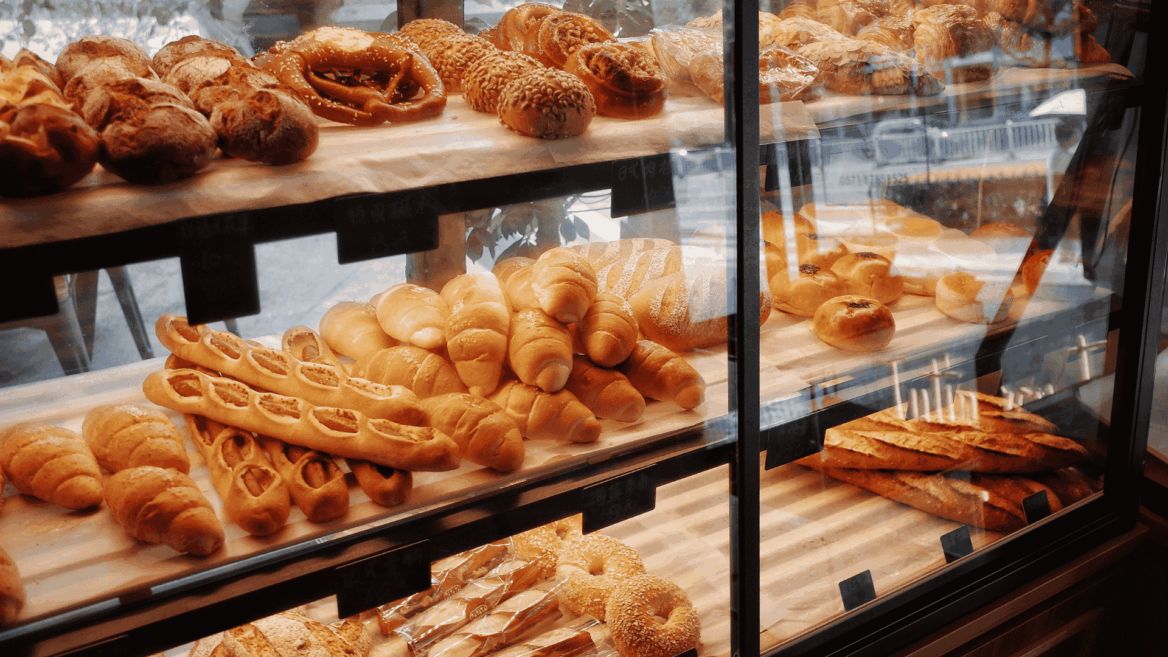
A retail bakery is the traditional storefront with display cases and a production kitchen, where rent and buildout drive costs, and the business lives on foot traffic and consistent product. A bakery café combines both worlds: for those thinking about how to open a coffee shop and bakery under one roof, the dual revenue stream can justify the higher investment and operational complexity.
Wholesale, mobile, and ghost kitchen models give operators ways to reach customers without retail overhead, whether that means supplying restaurants, running a food truck, or fulfilling delivery orders from a shared commercial kitchen.
More from L’Express Franchise
How Much Does It Cost to Open a Bakery?
How much it costs to open a bakery depends almost entirely on the model and location. Industry estimates put the range at roughly $15,000 for a home operation up to $150,000 or more for a full retail storefront, with café concepts sometimes climbing higher.
| Bakery Type | Estimated Startup Cost |
|---|---|
| Home bakery | $5,000–$25,000 |
| Retail bakery | $30,000–$100,000+ |
| Bakery café | $60,000–$150,000+ |
| Mobile / food truck | $20,000–$75,000 |
Main Cost Factors to Consider
Rent and deposits typically run $2,500-$6,000/month for a mid-sized storefront, before you factor in the weeks between signing and opening. Build-out and renovations can stretch budgets: minor work runs $20,000-$50,000, and significant kitchen upgrades are higher. Equipment (ovens, mixers, refrigeration, display cases) typically costs $20,000-$30,000 new, though quality used equipment can reduce that. Add licenses and permits, which vary by municipality; staff, with bakers running $17-$25 per hour as of 2025; initial inventory at roughly $1,000-$5,000; and working capital to cover at least three months of operating expenses before revenue stabilizes.
How to Open a Bakery Business Step by Step
Define Your Concept
The bakeries that struggle most try to be everything. A focused concept (a sourdough shop, a French pastry counter, a cake studio) is easier to execute, staff, and market.
Write a Business Plan
Knowing how to create a business plan is essential before opening a bakery. This is where assumptions meet real numbers: startup costs, daily transaction targets, and a break-even timeline. Lenders will ask for it, and it shows where your plan is thin before you’ve committed real money.
Secure Funding
Most owners combine personal savings, SBA loans, and equipment leasing. SBA loans offer longer terms and lower down payments than conventional loans, though approval takes time. Franchise bakery concepts sometimes provide access to preferred lenders through their systems.
Find a Location
For a storefront, foot traffic, zoning, neighboring businesses, and lease terms all need to be evaluated before you sign. For a home bakery, research your state’s cottage food revenue caps and permitted sales channels before you take your first order.
Obtain Permits and Licenses
Start earlier than feels necessary. Permitting is one of the most reliable sources of opening delays. Expect a business license, food handler certification, and health inspection at a minimum, with additional local requirements varying by city.
Purchase Equipment, Find Suppliers, and Hire
Source equipment early, consider quality used inventory, and establish supplier relationships before you need them. Hire key staff with enough lead time to actually train them.
Soft Open Before You Launch
A controlled soft opening surfaces operational problems before they hit a full house of paying customers. Keep the menu tight, treat feedback seriously, and fix what’s broken before the doors officially open.
Bakery Franchise: an Alternative to Starting from Scratch
Franchising starts from a different place than an independent opening. The brand, systems, and training come with the investment. In exchange, there are upfront fees, ongoing royalties, and operating within someone else’s standards. For entrepreneurs without prior food service experience, that trade-off removes a meaningful amount of the trial and error that typically makes independent openings expensive.
Examples of Popular Bakery Franchise Models in the U.S.: Paris Baguette and Panera Bread
Paris Baguette has passed 300 U.S. locations across 35 states, with a stated goal of 1,000 North American cafés by 2030. The concept centers on French-inspired baked goods and café beverages. According to its 2025 Franchise Disclosure Document, total investment runs $727,440-$1,825,100, with a $50,000 initial franchise fee. Single and multi-unit paths are both available.
Panera Bread does not sell single-unit franchises. The company operates through area development agreements requiring franchisees to commit to roughly 15 locations over six years. Per its 2025 FDD, investment per location ranges from $1,267,000 to $4,651,000, a structure built for experienced multi-unit operators with substantial capital.
| Franchise | Estimated Total Investment | Notes |
|---|---|---|
| Paris Baguette | $727,440–$1,825,100 | Single or multi-unit; $50K franchise fee |
| Panera Bread | $1,267,000–$4,651,000 | Multi-unit development only |
Figures sourced from each brand’s 2025 Franchise Disclosure Document.
More from L’Express Franchise
The cost of opening a bakery up as a business varies enough that the model choice matters more than almost any other decision. Get that right first, and the rest of the planning with fall into place.
This content is provided for informational purposes only and does not constitute legal, tax, financial, or professional advice. Laws and regulations vary by state and individual circumstances and may change over time. Readers should consult a qualified attorney, tax professional, or other licensed professional regarding their specific situation. Nothing herein creates an attorney-client relationship.