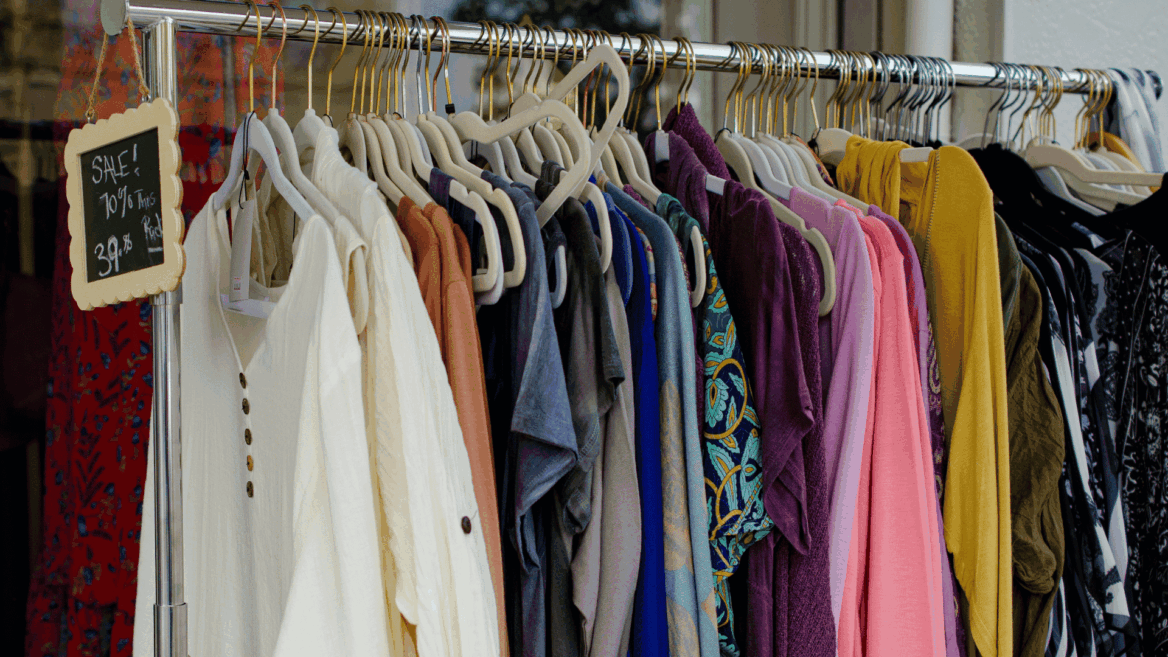

Thrift stores are having their moment: shopping secondhand has become a mainstream trend for consumers who want to save money and reduce their carbon footprint. Thrift store foot traffic is up 40% since 2019 and secondhand clothing sales increased 75% between 2019 and 2024.
It’s a good time for entrepreneurs who are considering this type of business model. However, requirements, costs, and opportunities can vary by state so you need to research and plan in advance. Wondering exactly what it takes? Here’s how to open a thrift store, plus how much it may cost.
Understanding the thrift store business
One major decision to make early on is the type of business model you prefer, which can have a big impact on how much it costs to open a thrift store. Here are the four main types:
- Independent thrift store: Purchase inventory through auctions, yard sales, and flea markets to launch your own physical store.
- Nonprofit thrift store: You can source inventory from donations, but profits beyond operating costs are donated to fund charitable causes.
- Online shop: If you want to know how to open a thrift store with no money, an online store is a good starting point. You just need to start with a bit of inventory and can reinvest your profits to scale.
- Branded concept: There are many branded resale and thrift stores you can purchase as a franchise. Oftentimes, customers sell inventory to you at a low cost or for store credit.
How to open a thrift store: key steps
Wondering exactly how to open up a thrift store? Here’s a breakdown of each step it takes.
Choose a thrift store concept and business model
Look at the concepts above and find the business model that makes the most sense for you. Do you want to create your own brand and vibe in a physical location? Or would you rather start with a turnkey franchise?
If you don’t want the stress of upfront costs of managing a physical store, you could open an online store. Also consider if you want to sell niche products, such as home decor, vintage items, or upscale consignment clothing.
Write a business plan
For a thrift store, understanding how to create a business plan is essential, and it should include the following key elements:
- Executive summary
- Business model overview
- Competitor analysis
- Customer analysis
- Marketing plan
- Operations and management plan
- Financial plan
Be as detailed as possible, both for your own clarity and in the event you decide to apply for financing.
Select a location or launch an online thrift store
How much you need to open a thrift store largely depends on whether you plan to launch a physical presence or an online one. For a brick and mortar store, make sure you’re not too close to any competition. Also consider the pricing, lease requirements, and state and local business permit requirements as you compare your options.
If you want to know how to open a thrift store online, first decide if you’re going to launch your own website or sell through an existing platform like ebay, Etsy, ThredUp, or others. When managing your own online store, you’ll need to set up your website, find a way to take payments, and market your inventory.
Source inventory and set up systems
There are many places you can source secondhand items from at low prices, including:
- Estate sales
- Yard sales
- Goodwill outlets
- Wholesale and liquidation sales
- Online auctions
- Social media marketplaces
- Storage unit auctions
Hire staff or manage volunteers
You’ll need staff to help with multiple aspects of your thrift store, including sorting inventory, pricing, providing customer service, checking out customers, cleaning, and merchandising.
In addition to paid employees, you may be able to use volunteers, if your store is not-for-profit. Managing volunteers is part of learning how to open a nonprofit thrift store. Choose a mission many people care about, like medical research, community poverty, or pet welfare. That can incentivize people to sign up for shifts at your nonprofit thrift shop.
Tips for opening a thrift store with little money
- Sell consignment and only pay the consignee when the item sells
- Solicit donations and give at least a portion of profits to charity
- Reinvest earnings in more growth
- Start selling online or at weekend markets instead of opening a physical store
Thrift store franchises and branded resale concepts
Figuring out how to open a thrift store business can be easier if you opt for a franchise model instead of starting your own brand from scratch. You get an established brand upfront, plus systems already in place (like training, technology, and supply networks), in exchange for a franchise fee and potentially a percentage of sales.
Examples of thrift store franchises include:
- Uptown Cheapskate
- Plato’s Closet
- Kid to Kid
- Once Upon A Child
How much does it cost to open a thrift store in the U.S.?
Costs vary depending on the size, concept, and location of your thrift store. Pricing out how to open a thrift store in California, for example, could be very different from how to open a thrift store in Texas. Startup expenses could be as low as $20,000 for a small independent store and go up to $150,000 for a large, physical location.
Thrift store startup cost breakdown
Consider these expenses, plus see a range of what each category might actually cost:
- Lease: $2,000 to $5,000 per month (plus a deposit)
- Renovations: $10,000 to $30,000
- Equipment: $3,000 to $10,000
- Inventory: $5,000 to $25,000
Your state and local government may also have different costs for incorporation, business permits, taxes, and insurance.
Financing options
How can you cover the startup costs of a thrift store? Here are some options:
- Personal savings
- Small business loans
- Franchise financing
Also consider bootstrapping your business by starting small and using your profits to grow.
More from L’Express Franchise
Is opening a thrift store right for you?
Opening a thrift store can be a gratifying business, but it definitely takes hard work and upfront capital. Make sure the business model aligns with your personal interests and operational capacity. Then take a look at market demand and your financial readiness before you jump in.
This content is provided for informational purposes only and does not constitute legal, tax, financial, or professional advice. Laws and regulations vary by state and individual circumstances and may change over time. Readers should consult a qualified attorney, tax professional, or other licensed professional regarding their specific situation. Nothing herein creates an attorney-client relationship.