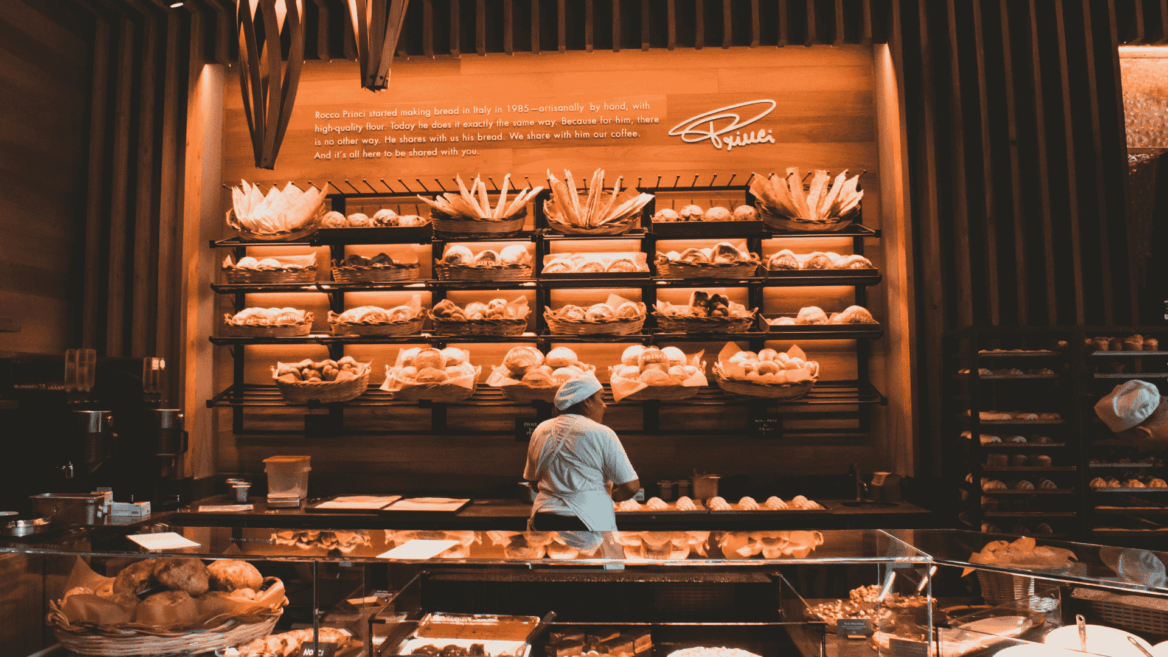

Canadians love to indulge a sweet tooth, and bakeries are the perfect destination for fresh products like pastries, cakes, and artisanal breads. Opening a bakery brings a sweet aroma to a neighbourhood, a quaint, eclectic destination where people can spend money on freshly baked goods and sweeten their moods.
Many entrepreneurial-minded Canadians are tempted to open a bakery, and with good reason. Nearly $12 billion worth of baked good retail sales were reported across Canada in 2024, according to Agriculture Canada. The numbers prove that the appeal of a neighbourhood pastry shop, home-based micro bakery, or a café-bakery hybrid is very real.
While the concept of owning and operating a bakery seems fairly straightforward, enacting a plan for how to open a bakery shop requires careful planning. Success depends upon crafting a unique differentiator, a forward-thinking budget, selecting the right location, and thorough research into the regulatory standards you must meet.
As with any entrepreneurial venture, opening a bakery requires the time, capital, resources, and patience to see the concept from idea to success. Alternatively, entrepreneurs can forego the work of creating a unique differentiator and open a bakery franchise that offers a proven structure to scale growth.
How to Open a Bakery in Canada
Define Your Concept
Are you opening a micro bakery, a café-hybrid, or a storefront location? Maybe you prefer to operate out of your home. The format you choose will determine everything that follows, including the equipment you need, any regulatory obligations, the staff you hire, and the startup costs factoring into your budget.
Write a Business Plan
A formal business plan is a strategic document that makes the case for why the cost of opening a bakery in your neighbourhood is worth the investment. This is where you think through your menu, pricing, target customers, operating expenses, and the path to profitability. Your business plan is also an essential document to secure capital from a bank or through programs like the Canada Small Business Financing Program.
Choose a Location
For retail and café formats, location is critical. Foot traffic, visibility, parking, proximity to complementary businesses, and lease terms all affect your potential to scale revenue. A poorly located bakery with excellent product will struggle, but a strategically selected shop with good-but-not-perfect product can thrive.
Secure Permits and Comply with Food Regulations
Every bakery in Canada must satisfy provincial and municipal food safety requirements. This includes a business licence, a zoning approval, a health inspection of your premises and, in most cases, a food premises licence. Equipment requirements, ventilation standards, and handwashing station rules are enforced by province or municipality. Check with your local public health unit and adhere to the standards before committing to any lease.
Purchase Equipment and Source Suppliers
Most bakeries have essential equipment, including commercial ovens, mixers, refrigeration, and display cases. Storefront businesses require larger equipment, while a micro or home-based bakery can make do with less machinery. Similarly, investigate the best quality ingredient suppliers that fit within your budget. Ideally, form relationships with multiple suppliers so you’re less susceptible to unforeseen supply disruptions.
More from L’Express Franchise
How Much Does It Cost to Open a Bakery?
Determining how much money you need to open a bakery largely depends on the model format you select. For example, a small home-based operation can be up and running for only a few thousand dollars. You can leverage e-commerce platforms to increase distribution and revenue with comparatively low costs to scale.
A modest retail storefront typically requires a minimum of $30,000 to launch. On the larger end, a full-service bakery café with dine-in, an espresso bar, and a production kitchen pushes well past $100,000 once equipment, leasehold improvements, and working capital are factored in.
The main cost categories include:
- Commercial equipment (ovens, mixers, refrigeration)
- Rent or leasehold improvements
- Permits and inspections
- Initial ingredient inventory
- Marketing and advertising
- Working capital to cover payroll and supplies
You should have enough capital to sustain the business for a minimum of three to six months. It will take time for revenue to stabilize, and these funds will keep the business afloat during those early growing pains.
Types of Bakery Businesses You Can Open
Micro Bakery
A micro bakery operates from a home kitchen or small rented production space. Often, these bakers sell their goods through farmers’ markets, pre-orders, and e-commerce distribution channels. It’s the lowest-cost entry point, with startup costs as low as a few thousand dollars. It’s a strong fit for entrepreneurs who want to test their model before committing to a retail lease.
Bakery Coffee Shop
Combining baked goods with coffee service significantly increases average transaction value and customer dwell time. However, it also raises complexity and cost. You’ll need a commercial espresso setup, trained baristas, a larger footprint, and expanded permits. You should have a startup budget of approximately $100,000 for a fully equipped café-bakery.
Traditional Retail Bakery
A walk-in retail bakery with a display case, takeout counter, and production kitchen is a more traditional bakery business model. An investment of this calibre runs as high as $150,000, depending on location and the level of fit-out maintenance and branding you must invest.
Specialty and Niche Bakeries
Gluten-free, vegan, culturally specific, or occasion-focused bakeries serve defined audiences willing to pay higher premiums for things like custom cakes, macarons, Middle Eastern pastries, etc. A clearly differentiated niche reduces direct competition and supports premium pricing, even in markets where traditional bakeries are already well established.
Opening a Bakery Independently or Through a Franchise
Starting from scratch gives you full creative and operational control, but also puts every decision on you. You must research if the idea is viable, develop the recipes, design the brand, and build a customer base from zero.
Investing in a proven bakery franchise takes some of that startup pressure off your shoulders. You’re tapping into a proven concept with an established brand, one that has existing supplier relationships and operational training. In exchange, you pay a franchise fee and ongoing royalties.
The franchise model strongly appeals to first-time food entrepreneurs who value structure with minimal guesswork. A bakery franchise can meaningfully reduce early-stage risk and make it easier to scale.
How Difficult Is It to Open a Bakery?
Running a bakery is a laborious investment of time and patience. It requires early mornings, intensive production, supply chain management, and adherence to unforgiving food safety requirements. In the early days, margins are very thin, unlikely to change until revenue is repeatable, sustainable, and scalable. Staff turnover in food service is consistently high across Canada, which sporadically increases training and onboarding costs.
Most importantly, a successful bakery must demonstrate product consistency every single day. A bakery’s brand gains more credibility and a loyal audience based on the quality of its products. Maintaining this level of quality is harder than it sounds, and it’s the most common gap between good home bakers and successful bakery owners.
Canadians have demonstrated a durable appetite for quality local baking. Entrepreneurs who plan well, price correctly, build a loyal local following, and manage their operations with discipline can build genuinely strong businesses.
Key Elements to Watch for When Opening a Bakery
The colloquial “location, location, location” is especially profound for bakeries. Foot traffic, visibility, and lease terms are make-or-break factors for retail and café formats. Negotiate lease terms carefully — a long lease in a poor location is a serious risk.
Ingredient costs, labour, and overhead must all be factored into your retail prices. Underpricing is one of the most common mistakes in food businesses and is very difficult to correct after launch.
A customer who loves your croissant on Tuesday and finds it different on Friday won’t return. Building standardized recipes and consistent production processes early preserves the brand identity as a provider of delicious, quality products.
Food safety compliance is the underlying x factor on how much it will cost to open a bakery. Inspections are unannounced, penalties are significant, and non-compliance results in forced closure. Build a food safety plan before opening, not after.
How Much Money Do You Need to Open a Bakery?
The type of bakery you choose to open will determine how much you must spend in those early days of running the business. You can open a home-based or micro bakery for under $20,000, and costs will expand from there based on the size and scale of your business. For example, a full café-bakery concept could require a capital investment up to $200,000.
Beyond the capital expenditure, budget for at least three to six months of operating expenses in cash. You’ll need these funds on reserve as the business builds an audience until there’s consistent revenue.
Opening a Bakery in Ontario and Other Canadian Provinces
Food safety in Canada is a shared responsibility between federal and provincial governments. The federal government sets standards for interprovincial distribution, while each province oversees local food safety and bakery inspections.
As a result, opening a bakery in Ontario requires meeting different food safety standards than if you were to open the same business in Alberta, Manitoba, or Quebec. In Ontario, under Ontario Re. 493/17, at least one certified food handler must be on-site during every hour of operation. Food handler certificates are valid for five years and must be obtained from a ministry-approved training provider.
Different standards are enacted across other provinces. In Alberta, provincial food regulation stipulates that low-risk prepared foods — including baked goods — may be prepared for sale to customers from a residential kitchen. However, higher risk foods like meats, seafoods, and anything requiring refrigeration must be stored and prepared in a physically separate kitchen.
In Manitoba, bakers can sell certain home-prepared foods — breads, cookies, or cakes — at farmers’ markets without a full commercial health inspection. Any foods that require refrigeration automatically trigger full commercial standards. In British Columbia, all food businesses require a permit from their local health authority, per the provincial Food Premises Regulation.
Before spending any money on equipment or signing a lease, contact your local municipal office and provincial public health unit. The regulatory requirements for your specific format must be confirmed at the local level. Never assume that one province’s standards automatically apply to your location — do your research and protect your interests.
The information provided in this article is for general informational purposes only and does not constitute legal, financial, or investment advice. Franchise laws in Canada are governed at the provincial level and vary by jurisdiction. Readers should consult qualified legal and financial advisors familiar with the applicable provincial franchise legislation before making any franchise-related decisions.