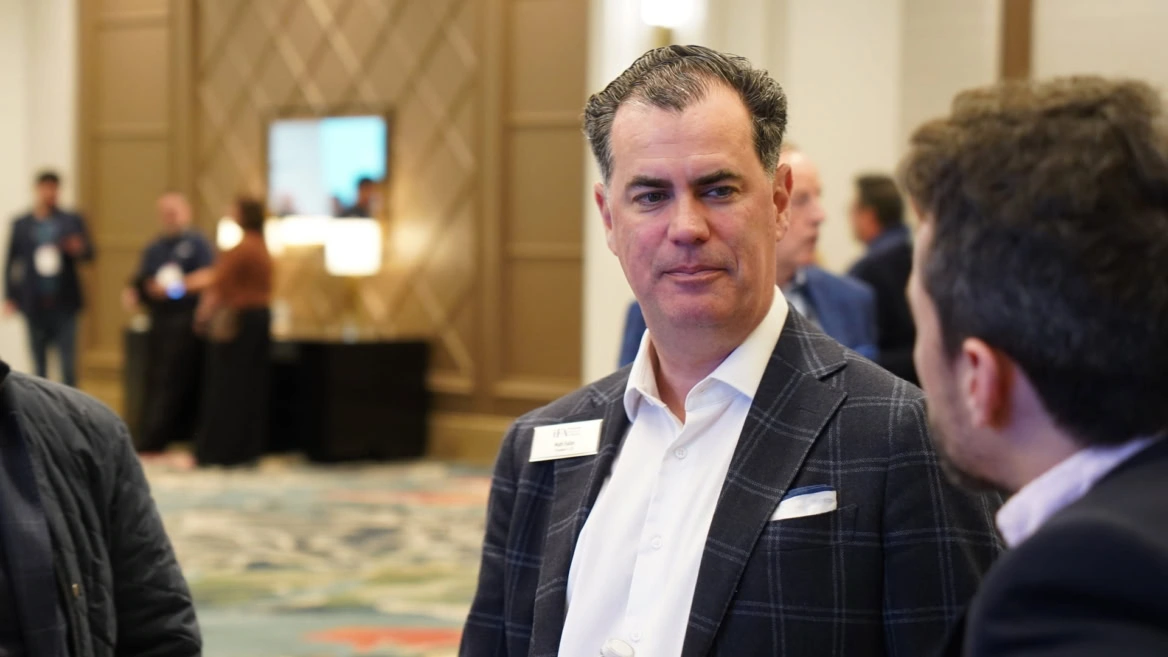

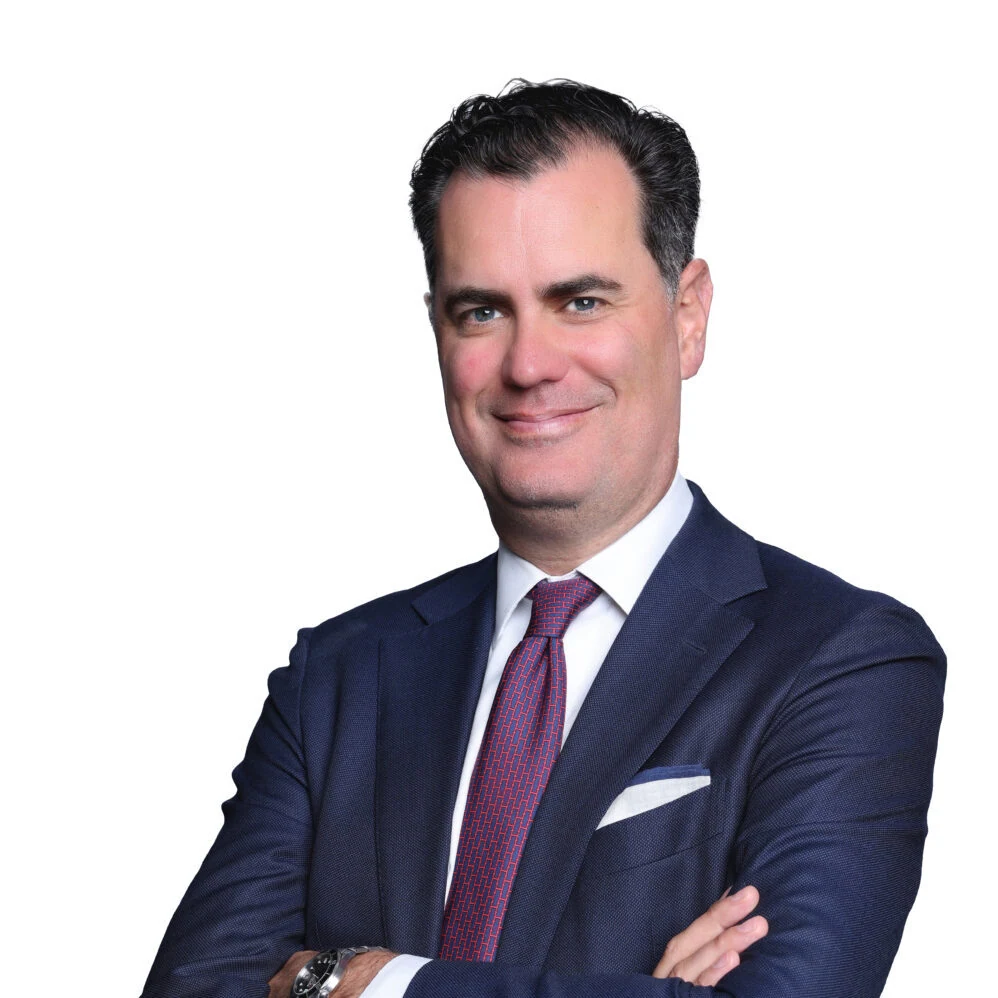
During the 2026 IFA Annual Convention, L’Express Franchise had the honor to speak with Matthew Haller, President & CEO of the International Franchise Association. Leading the world’s oldest and largest franchise organization, Haller oversees its work representing 1,200 franchisor brands, 700 supplier member companies, and over 10,000 franchisees across 300 industries.
In 2026, franchising is set to grow to 845,000 establishments, add 150,000 jobs, and generate $921 billion in output, led by the Southeast and West. Matt Haller highlights that beyond the numbers, franchising provides strong career paths, competitive wages, and deep community impact.
In our conversation, he shared the IFA’s 2026 priorities: expanding member engagement, advocating for the American Franchise Act, promoting the new “Franchise Means Local” campaign, and leveraging AI to drive growth across the franchise industry. He also discussed economic trends, fast-growing sectors, and what European brands should know about entering the U.S. market.
Read on for our full interview.

Looking ahead to 2026, what are the IFA’s main objectives and vision for the year?
I would say we have three goals in 2026. One is to increase and deepen our membership engagement, particularly with franchisors going wider and deeper in different functions in those organizations. We have a lot of relationships with CEOs and brand presidents, but we really want to expand what we’re doing for those involved in development and technology, operations, marketing, and finance. Going wider and deeper with our franchisor members, while at the same time, growing the number of multi-unit, multi-brand franchisees who are involved in the IFA.
Secondly, there’s a lot of important things happening in Washington right now. A lot of opportunity for franchising to improve the business climate and lock in sound policy for the franchise model over the long haul. There’s a piece of legislation called the American Franchise Act that’s currently pending in Congress. It’s our number one priority to get that bill passed before the end of 2026.
Then third, we’ve made a big investment in telling the franchisee story. We have a new campaign called “Franchise Means Local”, and it’s really meant to drive home the point that franchise businesses, while they may have a brand behind them, are at their core locally run, and franchisees are supporting the local communities in which they operate.
What major growth and economic trends are shaping the U.S. franchising landscape today?
2025 was more of a year of recalibration, a tougher environment for all industries. There are a lot of reasons for that. 2026 is a pivot back towards growth. We’re already seeing that driven by about three factors.
Number one, we had a lot of ambiguity around tax policy heading into this year, and tax certainty has now been locked in perpetuity in the U.S. tax code. That’s a really great thing for franchisors and franchisees to make business decisions and have certainty.
Number two, we’re starting to see interest rates come down. For franchisors and franchisees that have the demand for development. But capital and the cost of capital, as well as the cost of everything else on the inflationary side, has been quite expensive. Those rates are coming down, and that’s a really important aspect of growth.
Then third is AI. AI is really fueling growth. People tend to think about AI as a replacement for the workforce. That’s not what we’re seeing in franchising. We’re seeing it as a way to do more, and that’s really driving a lot of the growth for marketing, content, franchise development, all sorts of ways AI is fueling our industry moving forward in 2026.
According to you, what are the fastest-growing franchise industries and regions?
In the U.S., the fastest-growing regions are the Southeast and the West. The sectors that we’re seeing the fastest growth are being propelled by education. That category is really growing. Pet care is still very hot, and commercial and residential services are also doing quite well. One other interesting thing is in the restaurant category: we’re really seeing full-service restaurants actually make a strong comeback and overtake from a growth rate standpoint, quick service and fast casual in 2026.
What is the best advice you would give a European brand entering the U.S. market?
The best advice I’d give a European brand entering the U.S. market is there’s demand for growth here. I think that the laws and the regulations in the U.S. are a little more complex in a lot of ways. So it really depends on the state in which you want to enter into.
But I would say, one, join the International Franchise Association. We’re going to help get you set up for success, get you connected with the right supplier partners that can really help you understand the market and think about how your brand positioning could work differently in a state like California versus a state like Florida.
The U.S., not unlike elements of Europe, is very different regionally and geographically. But the U.S. customer has a sophisticated taste and demand for lots of growth, and it’s a great market, obviously over performing, as we expect in 2026 vis-a-vis the non-franchise category.
You spoke about the American Franchise Act’s importance. How will the IFA move it forward in 2026?
The American Franchise Act is our top priority in the U.S. Congress right now. This bill would codify the joint employer standard, specifically and exclusively for franchising forever. That’s a really important thing because it would ensure that franchisors have the certainty around how they can support their franchisees, and franchisees can have the assurance that they are the ones ultimately in control of the day-to-day business decisions, and they know the local market in which they operate.
The next steps are to continue to build support by both Republicans and Democrats in the U.S. House, the U.S. Senate. We expect some hearings, hopefully, to occur in the spring. Ultimately, it’s about creating momentum behind something that is an opportunity amid all the noise in the world globally and here in the U.S.
Franchising is something that really has no allegiance to any political party. It’s supported by both parties, and we did take advantage of this opportunity to lock in certainty and create momentum. For any franchise business people out there that want to see certainty in their business, getting behind this bill, communicating the importance of it, and really just helping tell the franchise story, because at the end of the day, the American Franchise Act is about preserving the franchise business model.